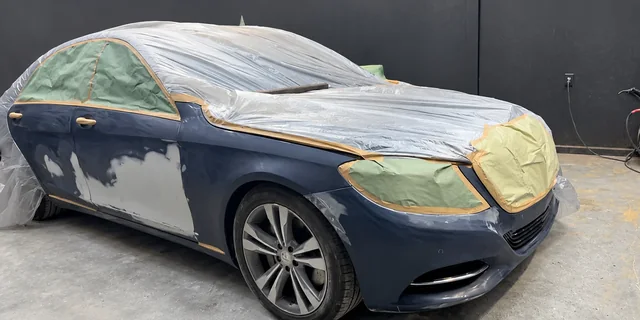
 Collision & paint
M&A / DRIVER EDUCATION
Auto Academy
Know your car. Plan your next step.
Practical tips to spot problems, prepare for service and keep track of your vehicle.
M&A / Auto Academy
Maryland vehicle inspector training
Build your knowledge of inspection administration and passenger-vehicle safety. Study the rules, practice original questions, and understand why each answer matters.
Start a practice exam →DC · MARYLAND · VIRGINIA
Automotive history: the machines, the roads, the people
Explore how automobiles changed daily life, industry, and communities—from early inventions to the roads and repair culture of Washington, DC, Maryland, and Virginia.
Read the story →Car care, made simple.
Open a topic for quick checks and your next step.
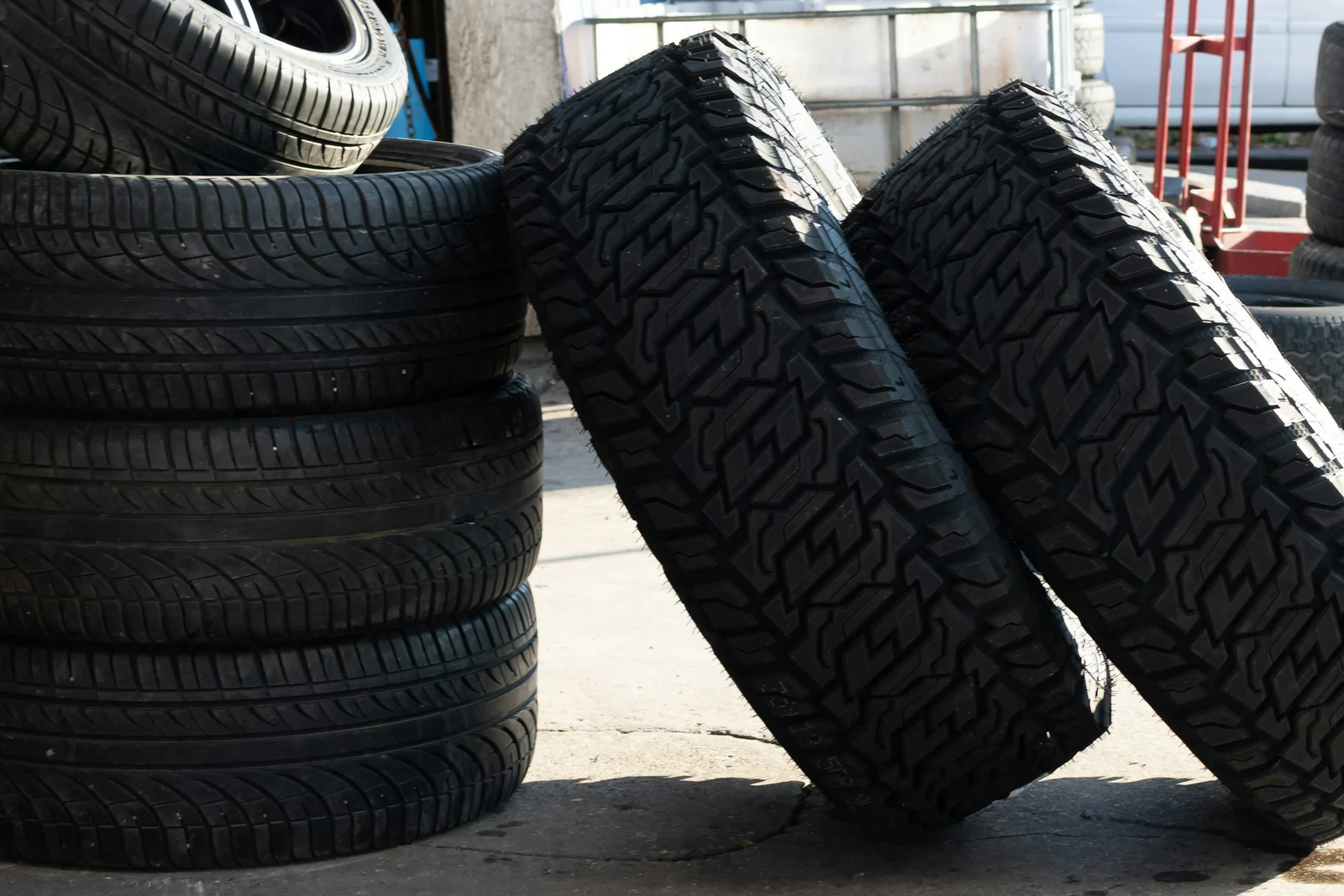
01Tires & pressureSmall checks can catch tire problems early.
- Check cold tire pressure against the vehicle’s door-jamb label.
- Look for uneven wear, cuts, bulges or objects in the tread.
- Have repeated air loss, pulling or vibration inspected.
02Oil & essential fluidsThe right fluid matters as much as the level.
- Use your owner’s manual for oil and fluid specifications.
- Check levels as instructed, parked safely on level ground.
- Report repeated top-ups, fresh leaks or a burning smell.
03Brakes & stoppingPay attention to changes in how your car stops.
- Report grinding, squealing, vibration or pulling when braking.
- Tell your advisor if the pedal feels different from usual.
- If braking ability suddenly changes, stop driving when safe and arrange assistance.
04Battery & startingA slow start deserves a closer look.
- Notice slow cranking, clicking or repeated jump-starts.
- Switch off lights and accessories when leaving the vehicle.
- Ask for battery and charging-system testing when problems repeat.
05Dashboard warning lightsCapture the warning and what you noticed.
- Photograph the light and message when safely parked.
- Note when it appeared and whether the car sounded or felt different.
- For oil-pressure or overheating warnings, pull over safely and switch off the engine.
06Cooling & overheatingRespond promptly to a rising temperature.
- Watch for a rising temperature gauge, steam or coolant leaks.
- If the engine overheats, pull over safely and turn it off.
- Never open a coolant cap while the engine is hot.
07Wipers, lights & visibilityGive yourself a clear view of the road.
- Replace wipers that streak, chatter or miss part of the windshield.
- Check headlights, brake lights, turn signals and tag lights.
- Use washer fluid suited to the weather.
08Before a longer driveLeave time to address concerns before departure.
- Check tires, fluid levels, lights and wipers.
- Review upcoming maintenance in your owner’s manual and service history.
- Bring up new noises, vibrations or warning lights before the trip.
Keep vehicles ready for the next job.
Keep maintenance, costs and driver reports organized for every vehicle.
01 / PLAN
Maintenance & downtime
Track service dates, mileage, approved repairs and expected return dates.
Open fleet planning guide02 / TRACKVehicle costs & mileage
Keep fuel, tire and repair records together. Save receipts for each vehicle.
Open recordkeeping guide03 / CHECKDriver vehicle checks
Report tire concerns, leaks, warning messages and new damage before a vehicle goes out.
Open maintenance checklist04 / COORDINATEArrange fleet service
Tell our team which vehicles need attention and when they are available.
Plan a service visit32 guides
Collision & paint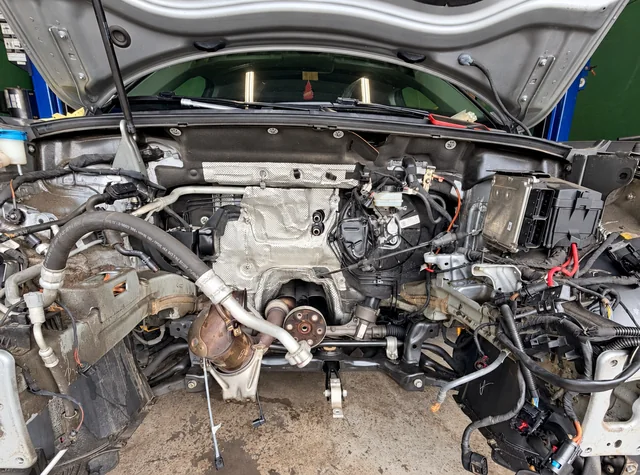 Engines & diagnostics
Planning an engine replacement: three approval checkpoints
 Inspections & ownership
Failed a Maryland safety inspection? Plan the repair and reinspection
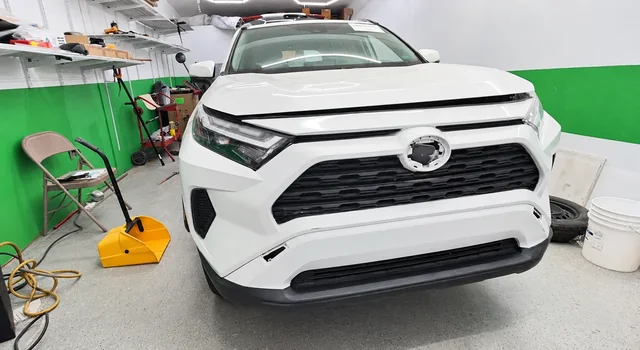 Collision & paint
What can before-and-after repair photos tell me?
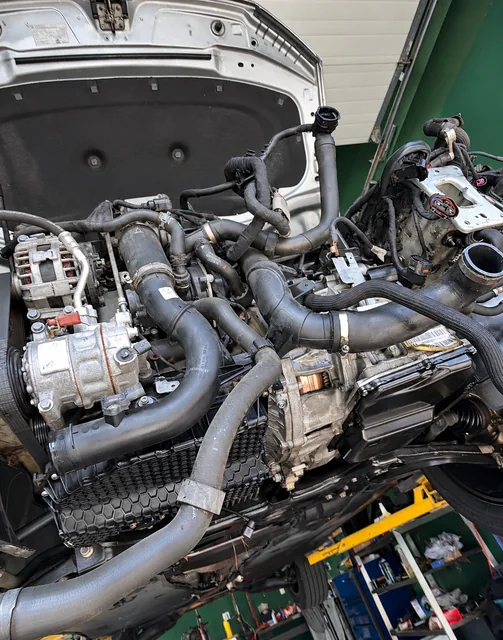 Engines & diagnostics
Engine swap or rebuild? How to compare the complete job
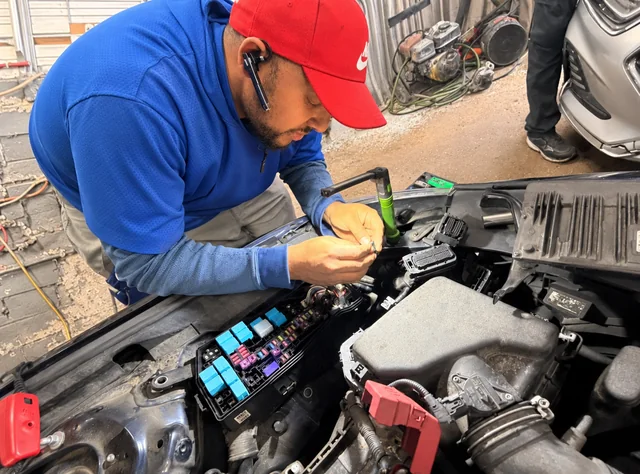 Engines & diagnostics
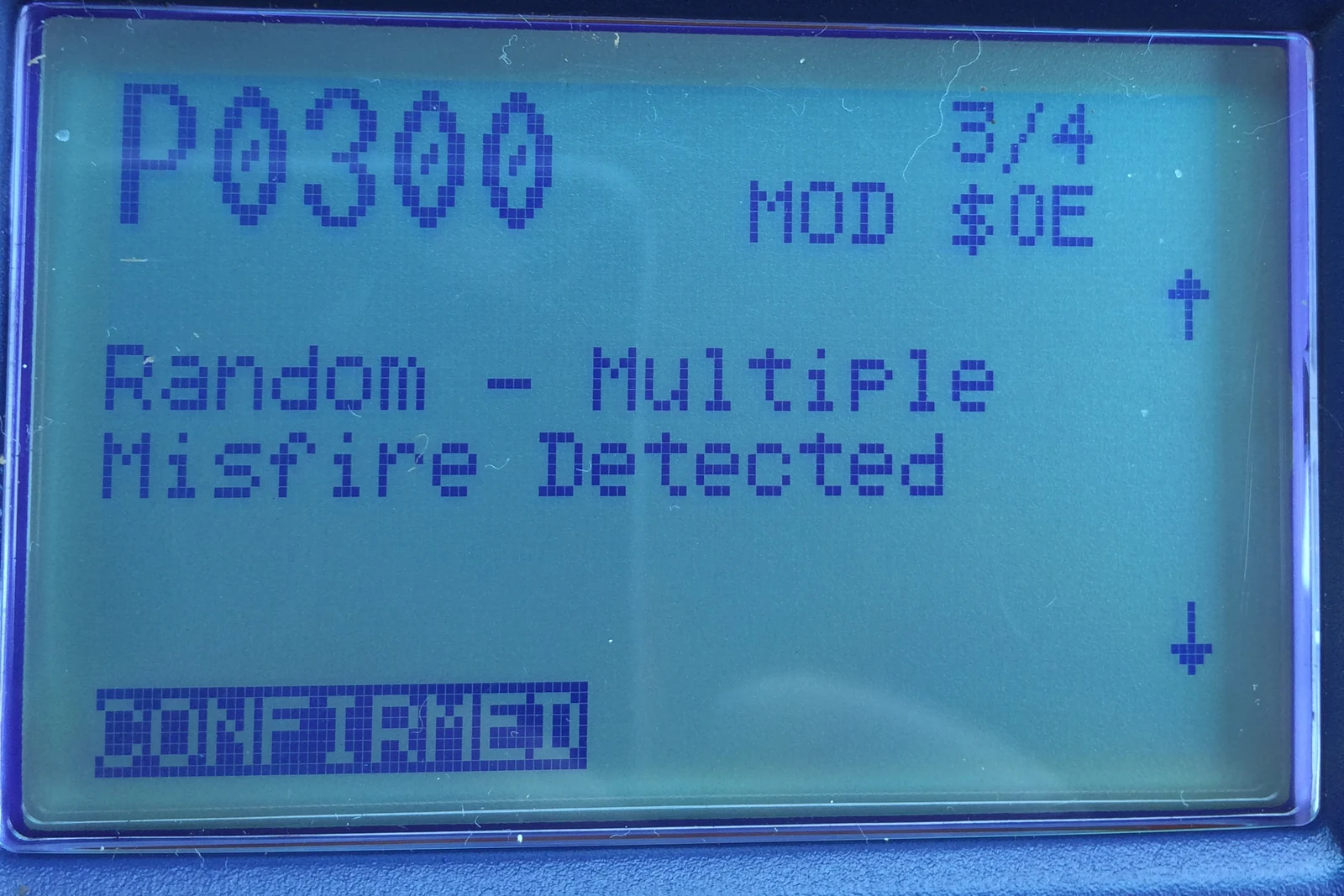
Why a check-engine code is not a parts shopping list
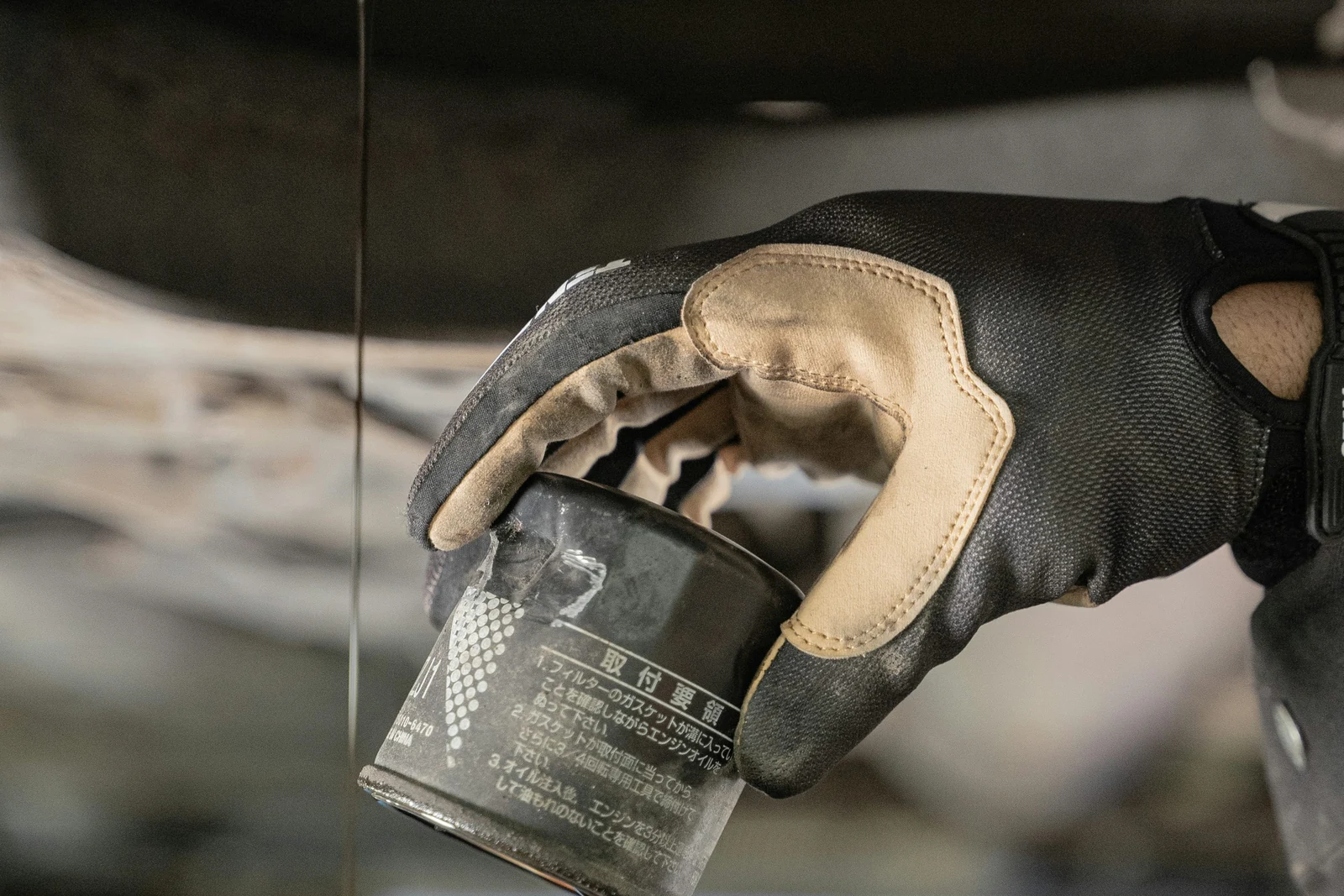 Everyday maintenance
Foreign or domestic? The service specification matters more
 Engines & diagnostics
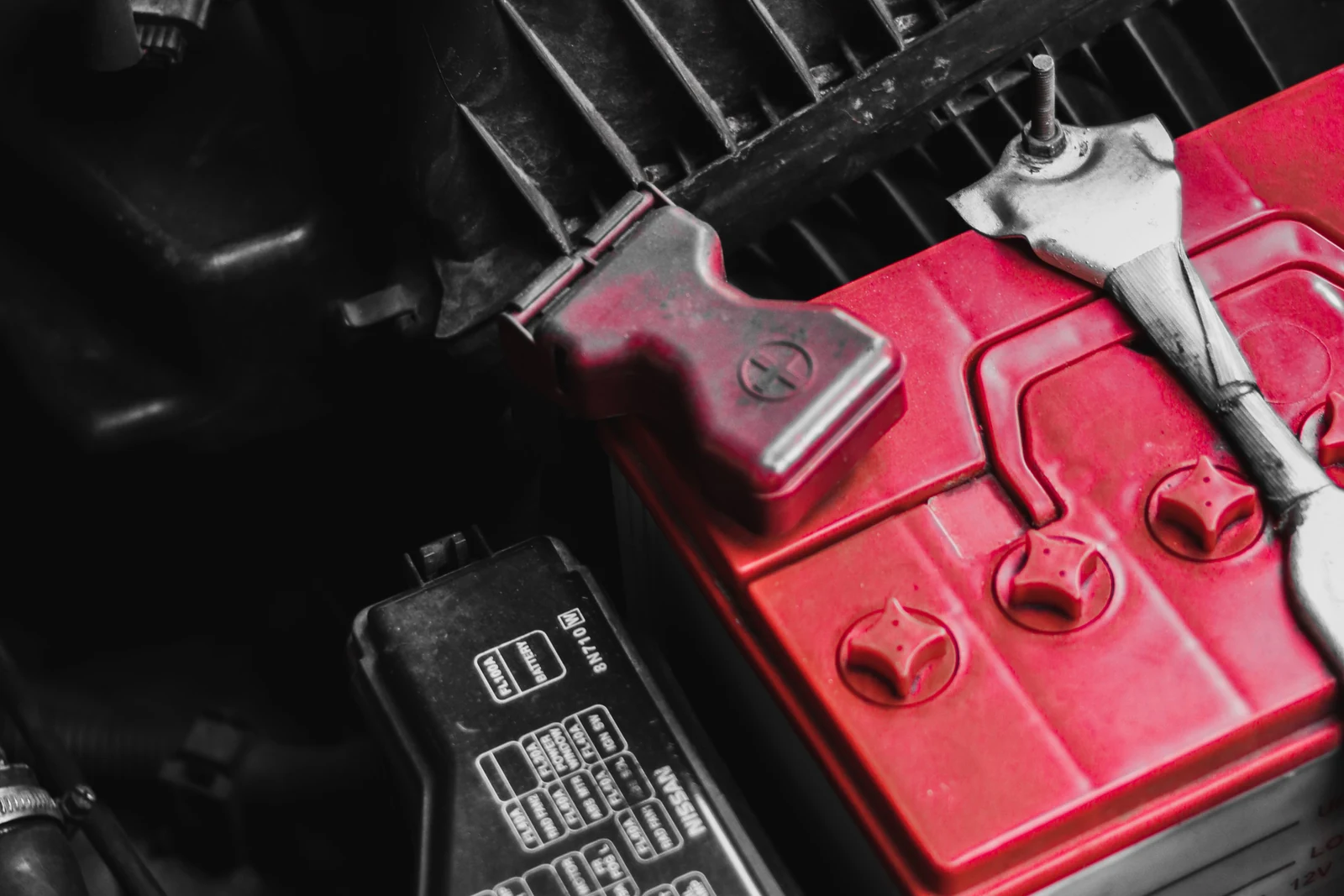
Cold morning, slow start: battery, alternator or something else?
Everyday maintenanceWhere is the oil going? Consumption, leaks and useful evidence
Everyday maintenanceTiming belt or timing chain: what the difference means for you
Inspections & ownershipSafety Inspection, Emissions Test or Check-Engine Diagnosis? Book the Right Visit
 Everyday maintenance
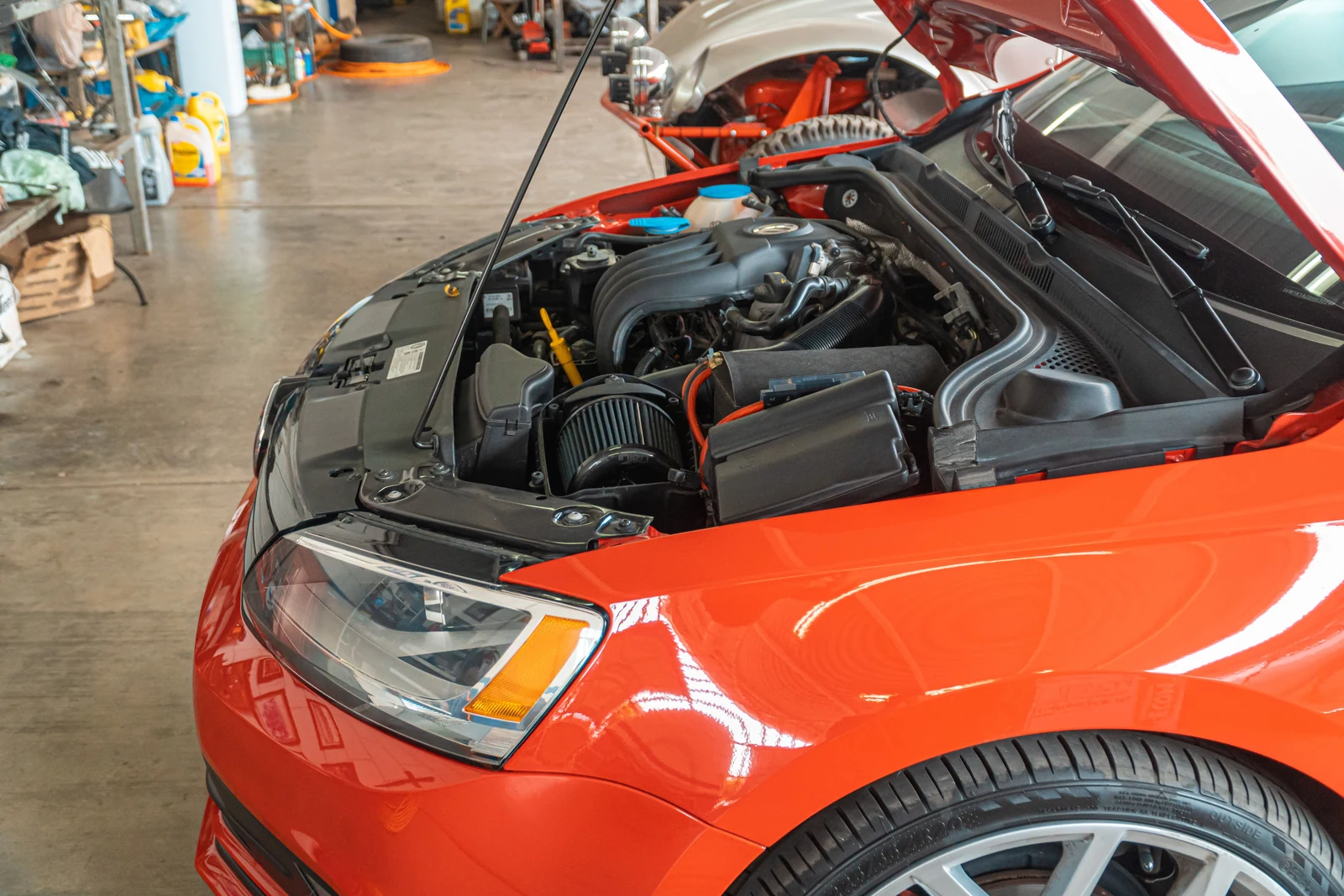
Why a Car Overheats at Idle: The Clues a Technician Needs
 Brakes & tires
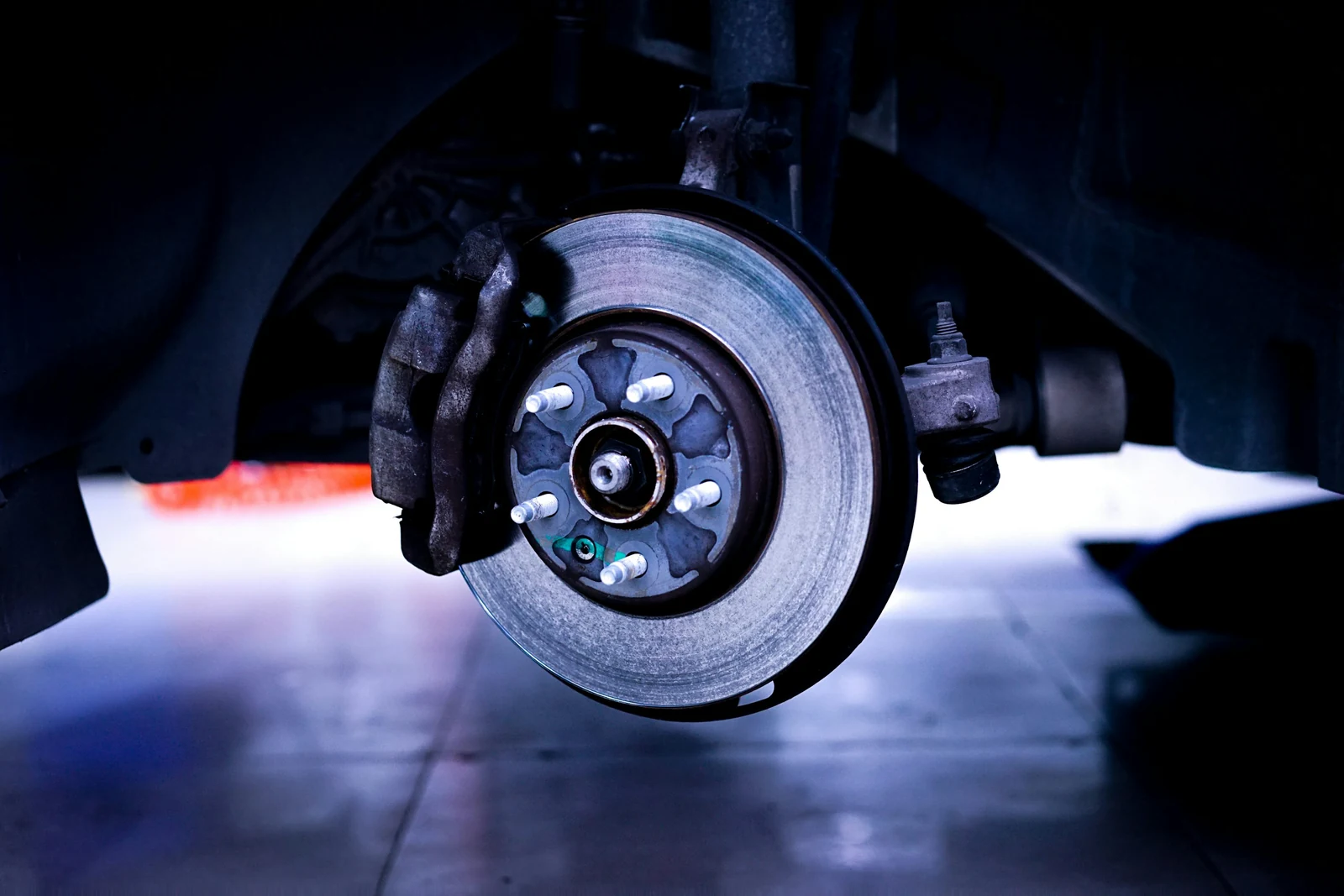
Brake vibration or tire vibration? The details that guide a diagnosis
 Brakes & tires
Why an alignment alone will not fix worn suspension
Everyday maintenanceYour Car Is Your Work Tool: A Better Maintenance Plan for Gig Drivers
Inspections & ownershipThat Used Car Looks Clean. Could It Have Flood Damage?
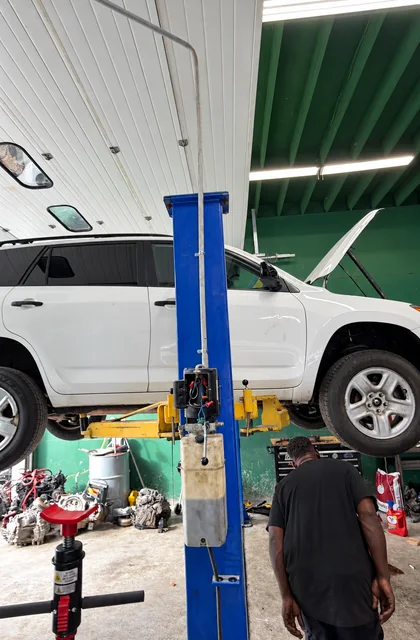 Everyday maintenance
A simple maintenance plan for the car you actually drive.
Everyday maintenanceCheck engine light on? Make a calm first move.
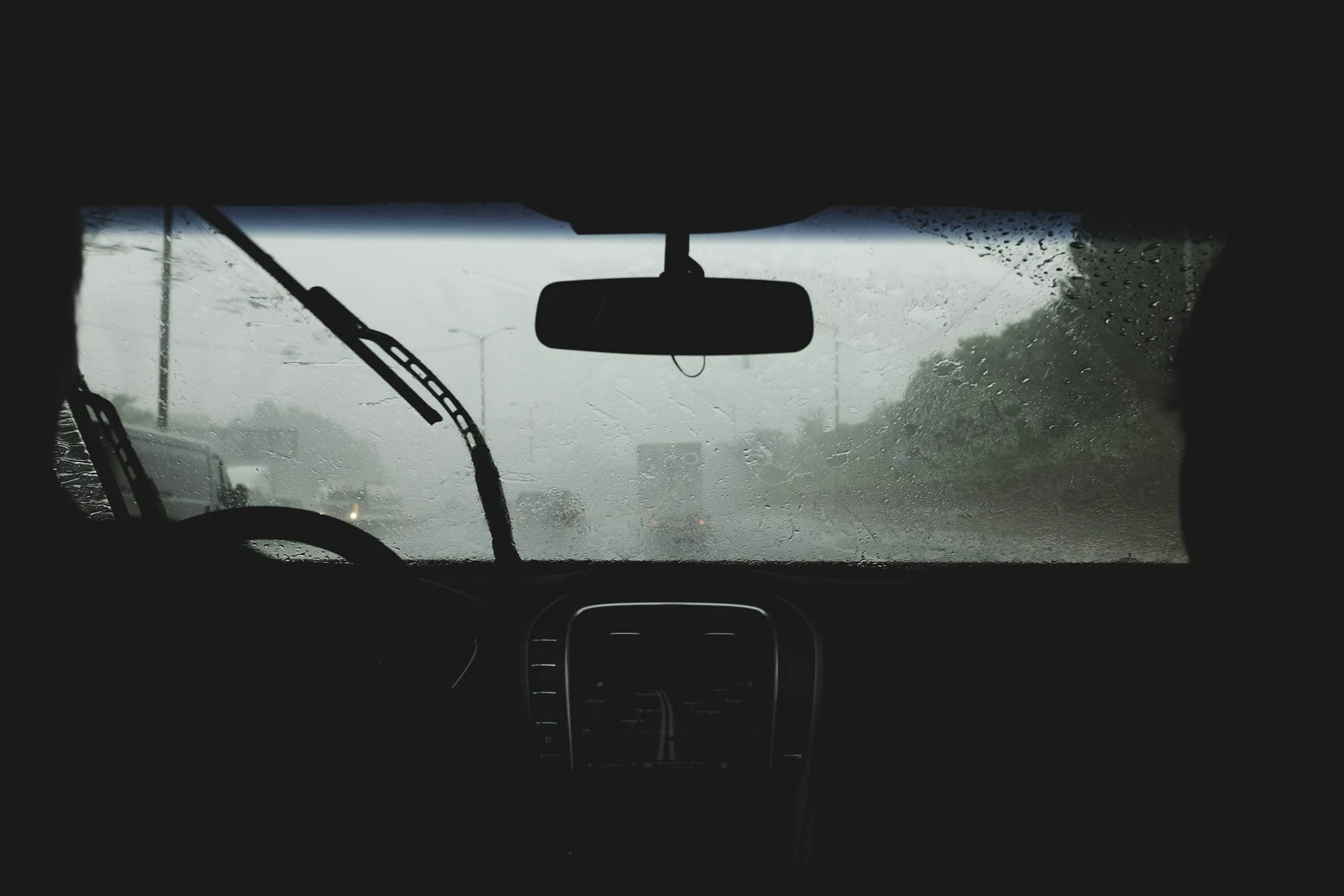 Everyday maintenance
Before the DC Metro road trip: a quick car check.
Everyday maintenanceCold mornings in the Washington DC Metro Area: prepare the car before winter.
Repair confidenceBuying a used car? Know what the inspection can and cannot tell you.
Repair confidenceHow to check a safety recall using your VIN.
Everyday maintenanceTemperature warning or steam? Protect yourself first.
Everyday maintenanceRain-ready driving starts before the storm.
Everyday maintenanceHybrid or electric car? What still needs regular care.
Repair confidenceYour car’s service history: a small habit that pays off.
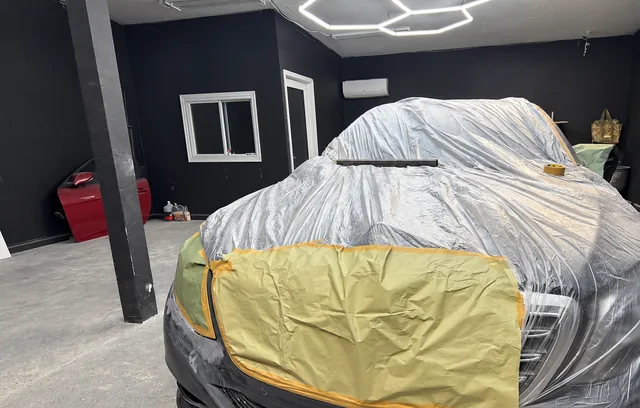 Repair confidence
A red box is a starting point. Ask to see the finding.
Repair confidenceWhat are you paying for? A guide to parts and labor.
Inspections & ownershipMaryland safety inspection: prepare, review, decide.
Inspections & ownershipFailed Maryland emissions? Start with the report.
Everyday maintenanceKnow your tires before your next long drive.
 Repair confidence
Six questions to ask before you approve a repair.
No matching guides. Try another search or reset.
Learn it. Try it.
Read a short lesson, answer three questions and save your progress.
SMALL LESSONS. USEFUL KNOWLEDGE.
What would you like to understand?
8 courses · free to read
01Safety
Warning lights: choose your next step
Know what to record, when to stop, and what a diagnostic appointment can tell you.
6 min · 3-question checkRead lesson →
02Maintenance
Tire safety: pressure and warning signs
Read the pressure label, recognize damage, and prepare for safe roadside assistance.
6 min · 3-question checkRead lesson →
03Safety
Brakes: describe the concern clearly
Prepare for an inspection and understand the evidence behind a repair recommendation.
5 min · 3-question checkRead lesson →
04Maintenance
Build a maintenance plan you can use
Turn mileage, time and your service records into a practical next-visit list.
5 min · 3-question checkRead lesson →
05Buying & ownership
Maryland inspection, without the guesswork
Understand the safety-inspection visit, failed items and the reinspection conversation.
6 min · 3-question checkRead lesson →
06Safety
After a collision: organize the next steps
Prepare useful photos, claim details and questions about repair approval.
6 min · 3-question checkRead lesson →
07Buying & ownership
Before you buy a used vehicle
Combine history, an independent inspection and written purchase terms.
5 min · 3-question checkRead lesson →
08Buying & ownership
EV & hybrid ownership basics
Know the safety boundaries and what to ask before arranging service or a tow.
5 min · 3-question checkRead lesson →
No lessons match. Try another topic or choose All courses.