
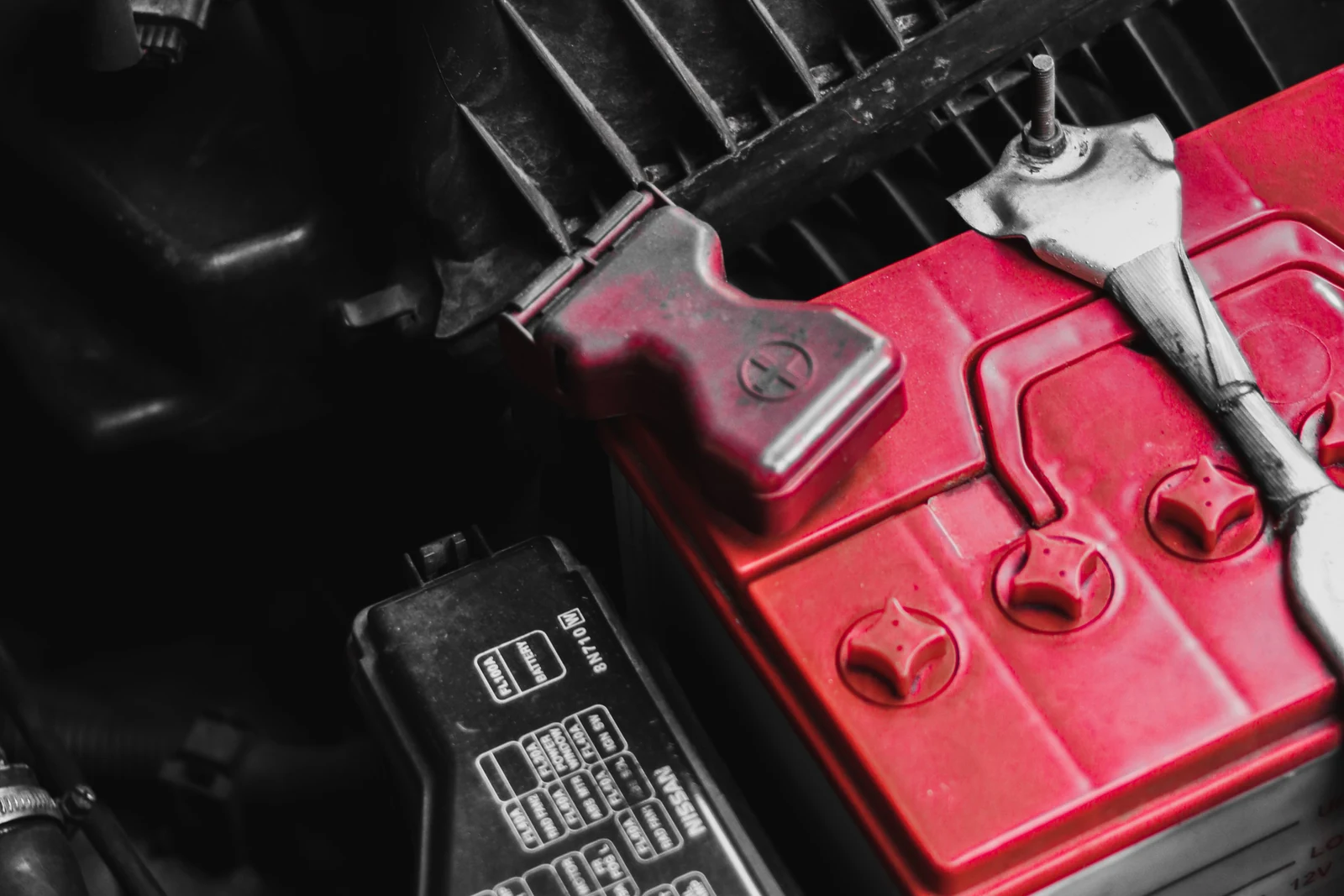
Describe the sound before naming the part
When the car will not start on a cold morning, begin with what it actually does. Does the engine turn unusually slowly, make a click, stay silent, or turn at its normal speed without starting? Those descriptions lead to different investigations. Saying the battery died can accidentally turn an observation into a diagnosis.
This discussion concerns conventional low-voltage starting and charging systems. Hybrid and electric vehicles can use different arrangements, so identify the vehicle when requesting assistance. Tell the shop whether the problem appeared after an overnight park, several unused days or a short stop after driving. That timeline is useful even if the vehicle starts normally at the appointment.
Understand the different jobs
In a conventional vehicle, the battery provides energy for starting, the starter turns the engine, and the alternator supplies electrical power while the engine runs. DENSO's alternator guidance explains that the battery can also supplement electrical demand. These components interact, so a weak start alone does not isolate one of them.
DENSO's starter troubleshooting guidance includes battery condition, cable connections and engine-related resistance among the checks. It also notes that oil viscosity in cold conditions can influence cranking. That is a reason to follow the specified oil requirement, not a reason to change oil grades experimentally when the car is reluctant to start.
What can a successful jump-start establish by itself?
Separate an undercharged battery from a failed battery
A battery can be discharged without being the original cause of the problem. DENSO recommends beginning alternator diagnosis with battery inspection and a performance test, alongside checks of cables and terminals. Ask whether the battery was adequately charged for assessment and whether the result supports replacement or further investigation.
Request a copy or explanation of the test result rather than relying on a pass-or-fail phrase alone. Tell the advisor the battery's installation date if known and whether the vehicle recently needed assistance. If charging and retesting are recommended, ask what that step is intended to establish and when you will receive the next decision.
A successful jump-start leaves a question open
If the vehicle starts with assistance, you have learned something about that event, but you have not established why the starting energy was insufficient. Report the outcome without treating it as proof that the alternator is good or the battery is bad. Also report whether the problem returned after the next stop or the next overnight park.
Use the vehicle's prescribed jump-start procedure or request professional assistance. Never disconnect a battery while the engine is running as an alternator test; DENSO warns that this can damage alternator components. A controlled test is more useful than an improvised experiment that adds a second fault to the original problem.
Ask for a charging result with context
A useful charging assessment includes the applicable vehicle specifications and test conditions. DENSO directs technicians to manufacturer-specific standards rather than a universal value. It also identifies wiring resistance, poor connections and drive-belt problems as possible causes of charging trouble. Those checks can explain why replacing an alternator alone may fail to resolve a complaint.
Ask the advisor to distinguish confirmed faults from possibilities: was output inadequate under the prescribed conditions, was a connection faulty, or is more observation needed? You do not need a page of unexplained electrical numbers. You need a short link between the test, the finding and the repair being proposed.
Make repeated failures easier to investigate
Keep a simple parking-and-starting record if the problem is intermittent. Include time parked, recent driving, accessories left connected and the exact symptom. Tell the shop about aftermarket devices or recent electrical work. These details help define a repeatable complaint without asking you to remove fuses, disconnect wiring or perform electrical tests yourself.
Before authorizing another battery after a repeat failure, ask whether the cause of discharge has been investigated and what the next step would be if it happens again. Request a written record of completed checks. A clear starting point prevents each cold morning from becoming a fresh round of guesses and makes the repair history useful.
Visit checklist
Choose the items you want, or print all.
Sources & further reading
- DENSO: alternator troubleshooting and manufacturer-specific testing ↗
- DENSO: starter troubleshooting ↗
General driver education. Your vehicle’s instructions, current state requirements and the technician’s findings determine the next step. A guide cannot diagnose your car or confirm it is safe to drive.