Read the code as a question
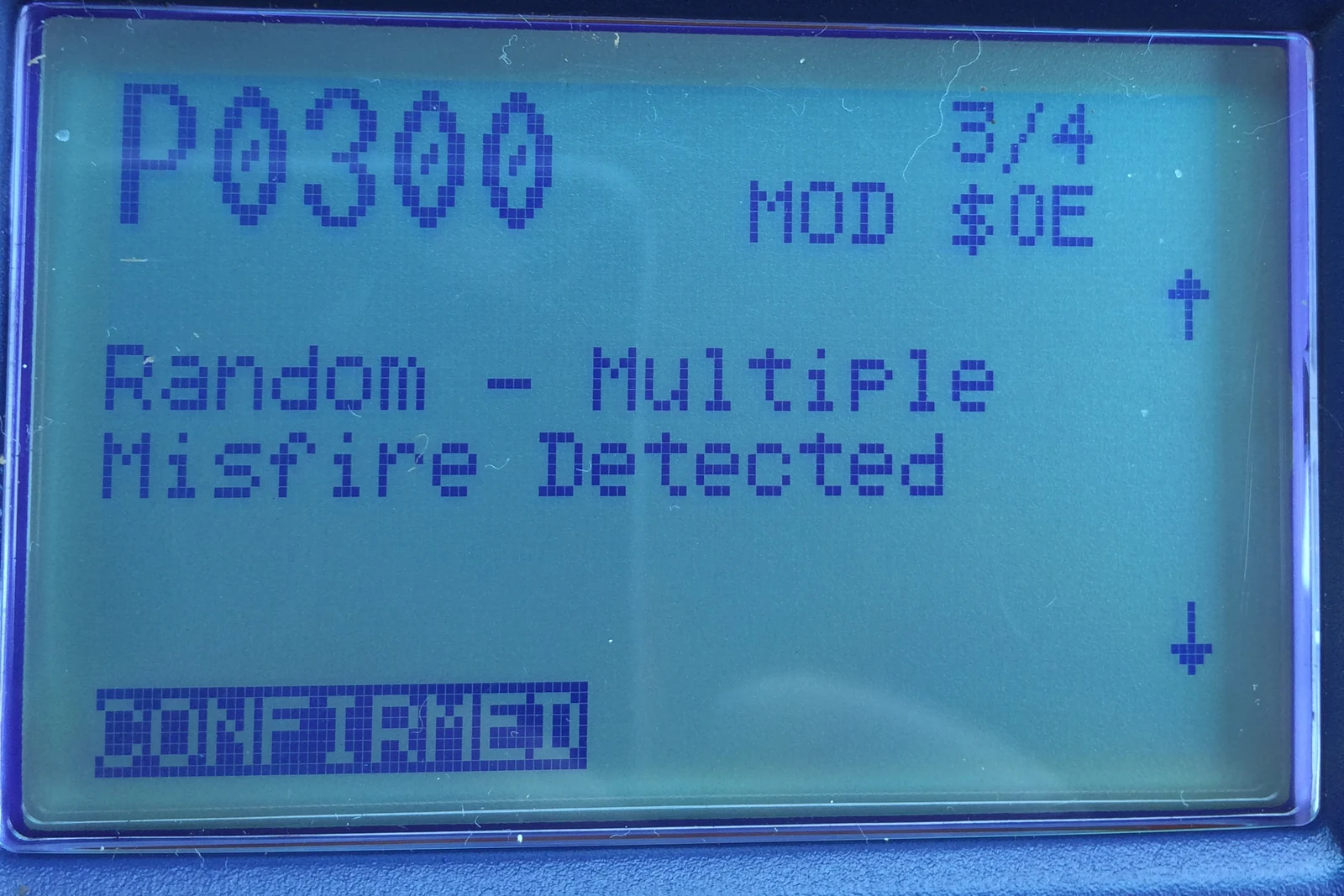
A code reader gives you a useful starting point, but its short description compresses a much larger diagnostic question. A sensor-related message can describe a signal that is missing, outside an expected range, or inconsistent with another measurement. It does not necessarily prove that the named sensor is the component that failed.
When you receive a printout, ask for the exact code rather than only a phrase such as oxygen sensor problem. Also ask whether the fault is current, pending or recorded from an earlier event. Your next purchase should be an appropriate diagnostic step, not a part selected solely because its name appears on the screen.
A sensor can accurately report someone else's problem
DENSO publishes a useful example involving lean-condition codes P0171 and P0174. Replacing the air-fuel sensors did not resolve the condition because a cracked hose between the purge valve and intake manifold was allowing unwanted air into the system. In that documented example, the sensors were reporting a real mixture problem rather than causing it.
The lesson is about the diagnostic method, not about assuming every lean code means a cracked hose. Ask which competing explanations fit your vehicle's evidence and what test distinguishes them. A good explanation connects the observed data, the suspected fault and the result of a targeted inspection or test.
What did the lean-condition codes identify in DENSO's published example?
Recent repair history can change the investigation
Tell the shop about recent maintenance, battery work, jump-starts, refueling events and any components already replaced. An unsuccessful repair is useful history. Bring its invoice and part numbers if available. Avoid describing the previous work only as a tune-up, because that phrase can cover very different procedures.
In another published case, DENSO traced a post-service P0135 code to the wrong sensor type on a Toyota Camry with a particular emissions configuration. The required air-fuel ratio sensor had been replaced with an unsuitable oxygen sensor. That example demonstrates why the correct application matters even when a newly installed component sounds like the right category of part.
Preserve the conditions that make the fault appear
Write down whether the light appeared at startup, after a long drive, while idling, or during acceleration. Note hesitation, rough running, starting difficulty and unusual sounds. These observations help the shop reproduce an intermittent problem. A safely recorded dashboard photo can also prevent confusion between the check-engine symbol and another warning.
Avoid clearing codes simply to see whether the light returns before the appointment. Ask the shop to preserve the available fault information and operating data first. If the vehicle is currently running normally, that information may be especially valuable. A fault that cannot be reproduced still deserves a documented investigation rather than an unsupported parts recommendation.
Separate urgency from certainty
Ford's owner guidance warns that a flashing service-engine light can indicate misfire capable of damaging the catalytic converter. Follow the instructions for your vehicle. If the light flashes with severe shaking, loss of power or other concerning symptoms, reach a safe stopping place and arrange assistance instead of continuing a diagnostic drive.
A steady light does not establish that every journey is safe, either. Describe the symptoms when arranging the appointment and ask whether the car should be transported. A code can help prioritize the assessment, but it cannot remotely certify the condition of the entire vehicle. Additional warnings, overheating or abnormal engine noise change the urgency.
Ask what will count as a successful repair
Before authorization, ask for a plain-language answer to three questions: what has been proven, what repair addresses it, and how will the result be checked? The verification should relate to the original complaint. Simply deleting the code is an administrative step; it does not demonstrate that the cause has been corrected.
For an intermittent concern, ask what remains uncertain and what to record if symptoms return. Keep the original codes, diagnostic findings and completed repair description together. That record helps prevent the next visit from starting over with another guess, and lets you judge progress by evidence rather than by the number of components replaced.
Visit checklist
Choose the items you want, or print all.
Sources & further reading
- DENSO: P0171 returns after air-fuel sensor replacement ↗
- DENSO: P0135 after an incorrect replacement sensor ↗
- Ford owner manual: service-engine warning behavior ↗
General driver education. Your vehicle’s instructions, current state requirements and the technician’s findings determine the next step. A guide cannot diagnose your car or confirm it is safe to drive.