Book the symptom, not just the adjustment
If your car pulls, the steering wheel sits crooked or a tire wears unevenly, it is understandable to ask for an alignment. Include the symptom when booking, however, so the appointment starts with the actual problem. An alignment is an adjustment of wheel geometry; it does not restore a worn joint or repair a damaged component.
Tell the shop when the change appeared and whether it followed a curb strike, pothole or recent repair. Explain if it occurs during braking, on particular roads or throughout ordinary driving. Do not demonstrate a pull by letting go of the steering wheel. If steering becomes unpredictable, stop safely and arrange assistance.
Understand why the inspection comes first
MOOG describes checking the tires and suspension before making alignment adjustments, with broken or excessively worn parts addressed first. Its diagnostic guidance also identifies steering components, wheel bearings, tires and brakes as possible contributors to pulling. The same complaint can therefore require different work on different vehicles.
Ask what the technician found that prevents a satisfactory alignment. Which component is involved, and how was its condition assessed? A photo may show visible damage; a brief explanation or demonstration of the inspection finding may be more helpful for movement or wear. Ask for the vehicle-specific acceptance criteria rather than a blanket claim that any movement means every part needs replacement.
Why inspect suspension condition before the final alignment?
Read the alignment report as one piece of evidence
An alignment report records measurements against the specifications selected for the vehicle. Ask the shop to walk through the before-and-after results in plain language: what was outside the applicable range, what was adjusted and whether anything remains unresolved. You do not need to memorize every angle to understand the repair decision.
If an adjustment cannot bring a measurement into specification, ask what further investigation is proposed. Do not assume the answer is automatically a complete suspension replacement. Conversely, a report showing acceptable static measurements should not end the discussion if the original handling complaint remains. Ask how that complaint was evaluated and what the next step would establish.
Separate alignment, balancing and tire condition
Michelin distinguishes alignment from balancing: one addresses wheel angles, while the other addresses weight distribution as the tire-and-wheel assembly rotates. Buying an alignment because the vehicle shakes may therefore miss the reason for the shake. Tell the shop whether the main concern is pulling, vibration, tire wear or a combination.
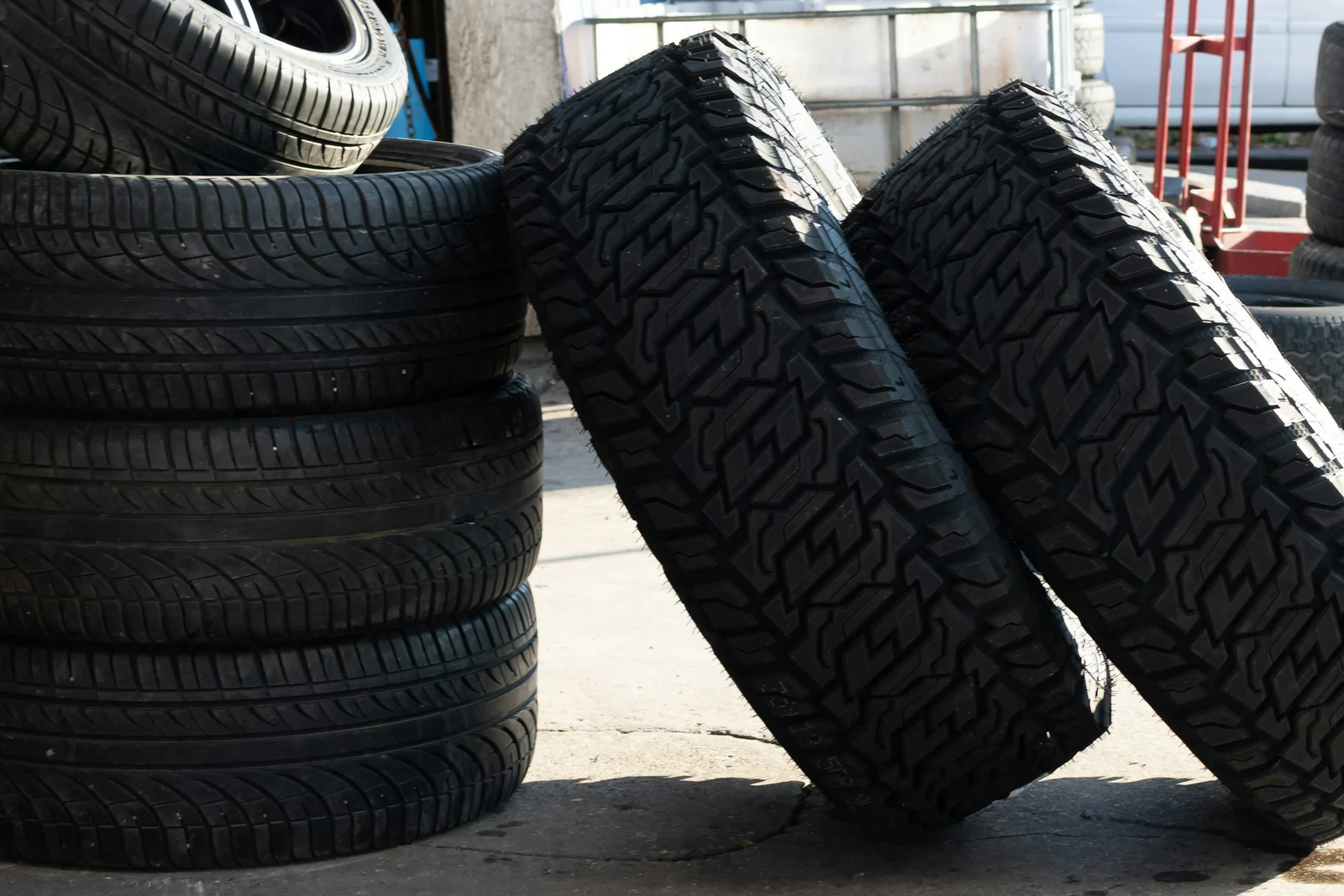
Ask for a separate assessment of the tires already on the car. What condition are they in, and is any tire recommendation based on damage, measured wear or another documented finding? If you are planning to purchase tires, request one coordinated plan covering the mechanical findings, the tire decision and the final checks.
Approve a sequence that avoids repeat decisions
A clear estimate should state the work order: diagnosis, any necessary component repairs and the alignment when appropriate. Ask which work must be completed before meaningful final measurements can be taken. This is especially useful when your budget requires separating today's repair from future maintenance.
Request a distinction between confirmed faults and optional recommendations. If more than one part is proposed, ask for the reason for each and whether the quoted scope includes the related checks. Confirm how additional findings will be handled, who must approve them and whether any vehicle-specific procedures need to be included. Keep those answers with the estimate instead of relying on a hurried conversation at pickup.
Define a successful result before collecting the car
Ask how the shop will check the original complaint after completing the work. Review the final report alongside the repair invoice and request an explanation of any remaining observations. If the car still feels different, describe that promptly and specifically instead of assuming a second alignment is automatically the solution.
Keep the records together for the next service visit. For a vehicle shared by family members or drivers, explain what was repaired and what symptoms should be reported. The practical goal is a vehicle whose handling concern has been assessed, whose repairs are documented and whose remaining maintenance decisions are understandable.
Visit checklist
Choose the items you want, or print all.
Sources & further reading
- MOOG: how an alignment is performed ↗
- MOOG: causes of a vehicle pulling left or right ↗
- Michelin: differences between alignment and balancing ↗
General driver education. Your vehicle’s instructions, current state requirements and the technician’s findings determine the next step. A guide cannot diagnose your car or confirm it is safe to drive.