
Start with when the vibration happens
A shaking steering wheel does not come with a label identifying the failed part. Tell the shop whether you noticed the shake while braking, while traveling steadily or in both situations. Include whether it was felt through the steering wheel, brake pedal, seat or floor. These observations guide an inspection; they do not prove which axle or component needs repair.
Use details from ordinary driving that already occurred. Do not make repeated high-speed stops, release the steering wheel or deliberately reproduce a strong vibration on public roads. If the vehicle becomes difficult to control or braking is reduced, safely stop and arrange assistance.
A braking-related shake needs a brake-system assessment
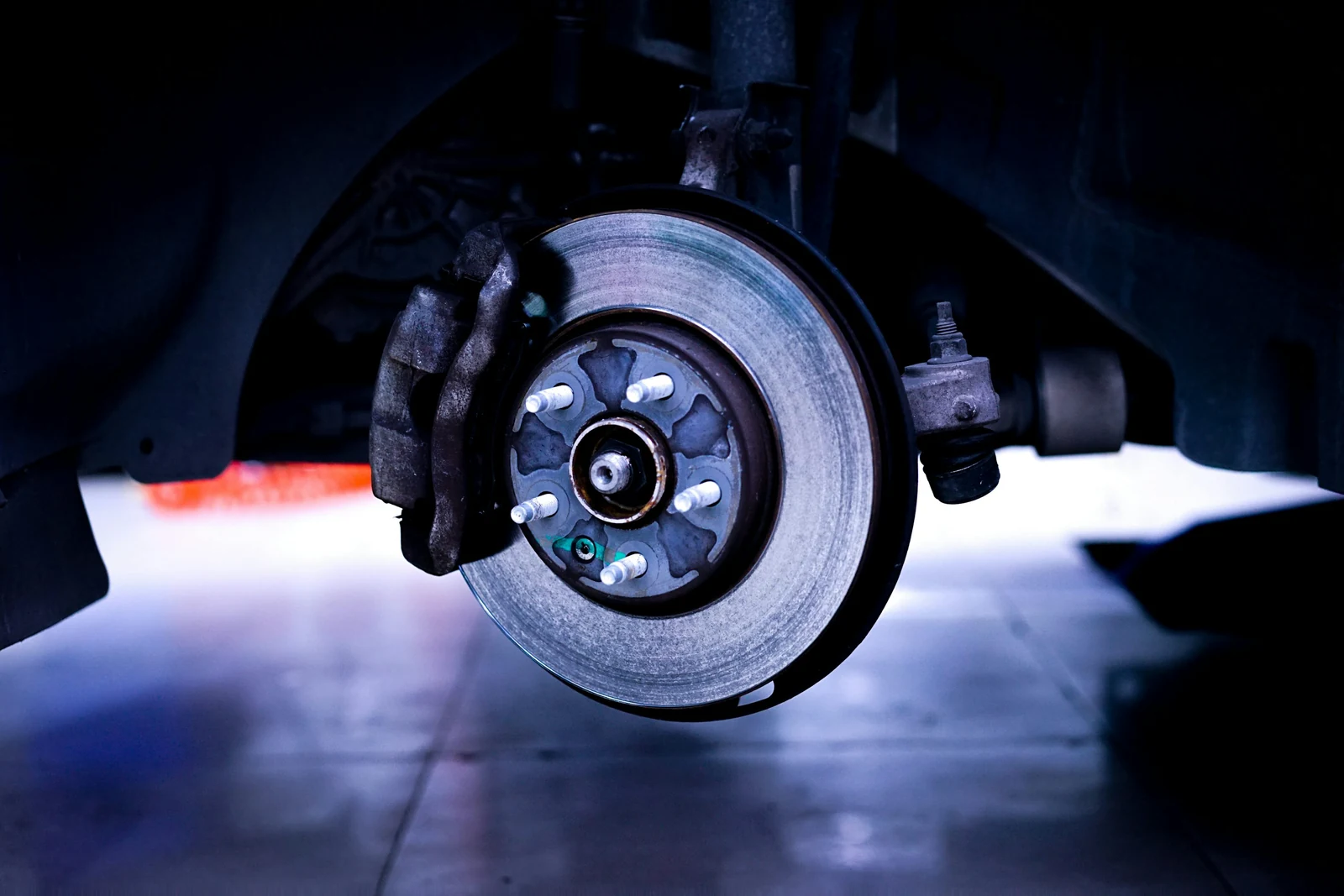
When a vibration is linked to brake application, ask the technician to explain what was checked throughout the brake system. Brembo notes that noise and vibration may involve other worn components, and its guidance calls for attention to disc condition, hub contact surfaces and caliper operation. Simply describing every shake as warped rotors skips the evidence.
Ask whether relevant measurements were compared with the specifications for your vehicle. If rotors and pads are recommended, request a clear explanation of their condition and whether another fault contributed. A useful estimate connects each proposed part to a finding instead of promising that replacing the most familiar component will solve every vibration.
Which detail helps separate possible causes of a vibration?
A speed-related shake can point toward tires and wheels
Michelin explains that an imbalanced tire-and-wheel assembly can cause vibration through the steering wheel, seat or floor. Alignment and balancing address different conditions: alignment sets wheel angles, while balancing addresses uneven weight distribution in the rotating assembly. A vehicle can need one service without the other.
Tell the shop whether the problem began after tire replacement, a tire repair, a wheel change or a road impact. Bring the related invoice if available. Rather than ordering balancing yourself as a guaranteed cure, describe the symptom and ask for a tire-and-wheel assessment. The result may support balancing, a different repair or further diagnosis.
Explain what changed after the last repair
If the vibration remains after work, describe what improved and what did not. Did the shake disappear during braking but remain at cruising speed? Was there no change at all? A before-and-after account is more useful than starting the next visit with an entirely new diagnosis. Save the earlier findings so the next technician can understand what was actually tested.
Michelin advises checking alignment or suspension components when rebalancing does not eliminate a vibration. That is a reason for further assessment, not automatic permission to replace suspension parts. Ask the shop to propose its next diagnostic step and explain what question that step will answer.
Make the estimate specific enough to compare
Ask which complaint each estimate line is intended to address. Brake work, balancing and suspension repairs may appear on the same quote, but the shop should explain the reason for each. Request the location of the affected component, the finding supporting the recommendation and whether the work is necessary for the present symptom or is a separate maintenance item.
When comparing estimates, compare the included work and diagnostic findings as well as the total. Ask about additional authorization if the initial repair reveals another issue. Agree on how the shop will contact you before extra work begins, especially if you cannot answer calls during a shift.
Decide how the result will be checked
Before approving the repair, ask how the technician will verify that the original complaint has been addressed. Describe your normal use clearly enough for an appropriate, safe verification: commuting, delivery work or occasional highway trips. Do not ask for an unsafe demonstration to prove a point.
At pickup, review the findings and any remaining concerns. If a symptom could not be reproduced, ask for that uncertainty to be recorded and agree on what information to provide if it returns. A detailed invoice and a clear follow-up plan help prevent the next visit from becoming another round of guesses.
Visit checklist
Choose the items you want, or print all.
Sources & further reading
- Brembo: brake-system noises and vibrations ↗
- Michelin: wheel alignment and balancing ↗
- Michelin: vibration and shimmy ↗
General driver education. Your vehicle’s instructions, current state requirements and the technician’s findings determine the next step. A guide cannot diagnose your car or confirm it is safe to drive.