
Your brakes are talking. Here is what to notice.
Knowing the sound and when it happens is more useful than naming a part. Write down the details, then ask for a measured inspection and a clear estimate.
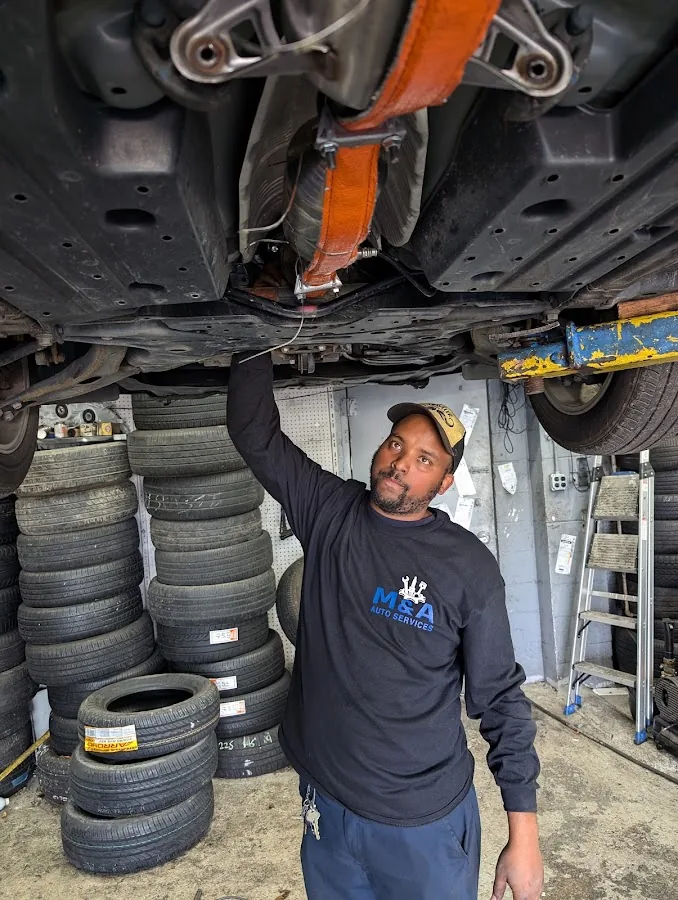
Squeal, grind or vibration?
A squeal can come from wear indicators or other contact; grinding may mean metal-to-metal wear. A vibration may involve brakes, tires or suspension. None of these symptoms identifies a part by itself.
Changes that need prompt attention
If the pedal sinks, braking distance increases, the vehicle pulls strongly, or a brake warning stays on, stop in a safe place and call. Do not drive a vehicle that cannot brake normally.
What the technician should show you
Ask for the measured pad thickness, rotor condition and any hydraulic findings. A written estimate should separate labor, parts and any extra work. If the other axle or another system needs attention, ask why and decide before authorizing it.
Plan the repair
Describe when the noise began, which speed makes it noticeable and whether it happens while braking or turning. Bring earlier brake invoices. The advisor can explain repair options, parts availability and a realistic completion window after inspection.
Bring these details to your visit
- Record when the noise or vibration happens
- Share any warning lights or change in pedal feel
- Review measured findings and written price before authorizing
New to car care? Ask for a plain explanation and a copy of your estimate. Every customer deserves the same clear answers, regardless of experience.
Current offers and full terms →